


Digital Printing – Definition
Digital printing is a type of printing in which data is transferred directly to the printer using computer files. In this way, the stage of preparing traditional printing plates is avoided. Consequently, this method is extremely useful for low-volume jobs, especially when the cost of preparing offset printing becomes too high. In fact, many printing projects in the industry involve significant costs related to CTP plates, machine setup, and initial adjustments. Digital technology allows you to skip these steps.
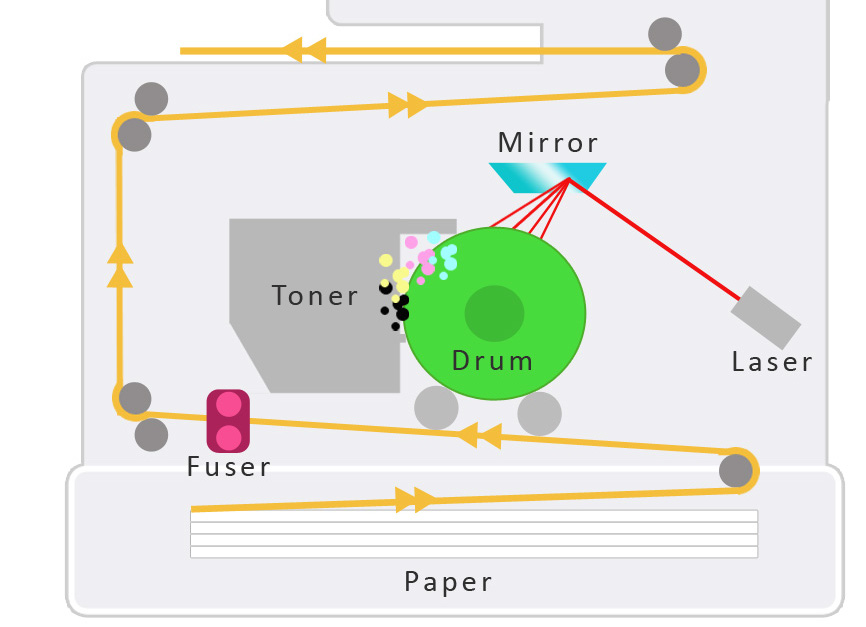
Where Digital Printing Works Best
Most often, digital printing is used for short-run marketing and advertising materials. For example, it works well for reports, business cards, or small batches of leaflets. Moreover, it offers flexibility and speed, which makes it an ideal solution when deadlines are tight. However, it is worth mentioning that the main disadvantage of digital printing is lower quality compared to offset. In particular, solid color areas may look uneven, so designers should pay special attention to this aspect during project preparation.
Summary
To sum up, digital printing provides quick turnaround, cost savings on setup, and personalization options. Nevertheless, when the highest quality and very large volumes are required, offset printing remains the better choice.
Main Advantages of Digital Printing
- Express execution and very fast turnaround
- Perfect for small print runs
- Possibility of full personalization of each copy
- Affordable and competitive pricing
Main Disadvantages of Digital Printing
- Lower quality compared to offset printing
- Higher costs for large-quantity production
Key Features of Digital Printing
- Files prepared directly as computer data
- Printing directly from a computer or external media
- Ability to modify each copy individually (personalization)
- No printing plates required
- The image is generated directly inside the press before printing starts
Digital Printing Methods
- Electrophotographic (Laser)
- Inkjet Printing
- Thermal Transfer Printing
- Sublimation Printing

Detailed Benefits of Digital Printing
One of the most important benefits of digital printing is the ability to produce jobs immediately, without lengthy preparation. The setup phase is extremely short and can even take place while another job is running. Additionally, print quality is much higher than a standard office printer, although still slightly lower than offset. Print speed typically ranges from a few to several dozen A4 pages per minute depending on the machine.
Digital printing supports a wide range of paper weights and substrates. Because there are no plates or long setups, it is ideal for short runs and saves time and materials (no trial prints required). The unit cost for a single copy is constant regardless of run size, and personalization (serial numbers, address lists) is easily implemented. Note the format limitation: most digital presses reach up to SRA3, unlike larger offset formats such as B2 or B1.

Choose Digital Printing in Kraków
Digital printing combines speed, flexibility, and personalization with competitive pricing — a perfect choice for efficient, short-run projects. Papillon Printing House Kraków is ready to help you start your job. Contact us for a tailored quote.